Drain Odors in Summer: Causes in Dallas Homes (and What Actually Works)
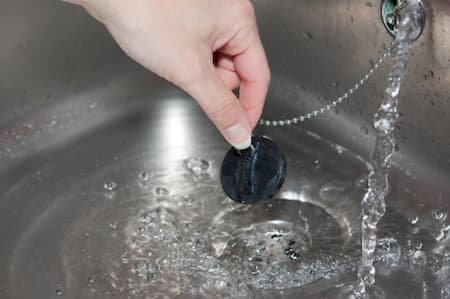
When the Dallas heat kicks in, many homeowners notice sudden, stubborn smells coming from sinks, showers, or floor drains. That is not a coincidence. Summer conditions speed up the very processes that cause drain odors in the first place. If the odor is showing up across multiple fixtures or returns after cleaning, it is time to bring in professional drain cleaning in Dallas before it turns into a backup.
Why Summer Makes Dallas Drains Smell Worse
North Texas summers are hot and often dry between storms. That combination changes how your plumbing behaves. Water seals that normally block sewer gas can evaporate faster, organic matter in lines breaks down quicker, and storm bursts can push debris into drains all over East Dallas, Oak Cliff, Lake Highlands, and Preston Hollow.
- P-traps can dry more quickly in hot, low-humidity stretches, which lets gas seep past the water seal.
- Biofilm inside pipes grows faster in warm conditions, releasing sulfur-like odors.
- Thunderstorm surges can stir up gunk in roof vents and yard tie-ins that then settle in interior drains.
- A/C condensate lines run constantly and can carry organic buildup that smells if the line is not clear.
The Science: P-Traps, Biofilm, and Venting
Every sink, tub, and floor drain has a curved P-trap that holds water. That water is a physical barrier keeping sewer gases out of your living space. In summer, higher temperatures and airflow can pull moisture from that seal faster than usual. At the same time, bacteria feeding on residue inside the line form biofilm that gives off a rotten-egg smell. Your roof vent helps equalize pressure so water stays in the trap and gases exit above the roof, but blockages or odd wind patterns can pull odors back toward the house.
Never ignore a persistent sewer smell inside the home. Odors that last more than a day or two, or that move from one room to another, usually point to a restriction, venting issue, or buildup that needs a professional fix.
Where Odors Commonly Start In Dallas Homes
Patterns help your technician pinpoint the source quickly. Here is what we see most often in Dallas neighborhoods from the M Streets to Far North Dallas:
- Kitchen sinks: Grease and food residue create thick biofilm. Warm pipes intensify the smell.
- Showers and tubs: Hair and soap scum trap bacteria. Heat speeds up odor production.
- Floor drains: Utility rooms and garages often have traps that dry out faster in summer.
- Laundry and A/C condensate lines: Constant moisture plus lint or algae can create a musty, sulfur-like odor.
Older homes in East Dallas and Oak Cliff can also have legacy drain materials and fittings that shift with the clay soil. Movement creates tiny gaps where debris or roots can catch and linger, which makes odors stick around.
Jetting vs Chemicals: What Actually Works Here
Chemical drain cleaners promise quick relief, but they rarely remove the film that causes recurring odors and they can be harsh on older piping. In our local conditions, high-pressure water cleaning is the more reliable path. Hydro jetting uses directional nozzles to scour pipe walls and flush out residue, not just punch a hole through it.
Explore how a dedicated jetting service tackles grease and biofilm by visiting the service page for hydro jetting in Dallas. For a deeper dive into methods, this post breaks down pros and cons of common approaches: hydro-jetting vs. snaking in DFW.
Avoid pouring harsh chemicals into drains to chase a smell. They often leave residue behind, can corrode certain materials, and do not address root intrusion or venting issues that trigger odors to begin with.
When It Is Not the Trap: Vents, Main Lines, and Yard Connections
Sometimes the odor has nothing to do with a single sink. If you notice smells near multiple fixtures, gurgling, or odors that shift with wind or weather, the problem may involve your vent system or main sewer line. In North Texas clay, small pipe shifts create entry points for roots that trap waste and intensify gases. Storm debris or nesting can also partially block a roof vent. Those issues require a pro who can evaluate airflow, check cleanouts, and confirm whether a deeper line cleaning is needed.
Homes with landscape drains that tie into yard lines also collect organic debris between spring and late-summer storms. If an exterior tie-in holds stagnant water or decaying leaves, that smell can track back toward pop-up emitters or outdoor drains and then into the house through connected lines.
What Your Technician Checks During a Drain Odor Visit
A good diagnosis saves time and repeat visits. Here is a typical, non-invasive checklist a pro may follow to get to the real cause quickly:
- Pattern mapping of where and when odors appear to isolate the likely branch or main line.
- Roof vent and cleanout assessments to confirm airflow and rule out blockages.
- Targeted camera inspection of suspect lines to spot biofilm, scale, or root intrusion.
- Verification of A/C condensate routing to be sure it is not feeding buildup into a drain line.
- Recommendation of the right cleaning method for the pipe material and condition.
Ask for a camera inspection before jetting when there is any doubt about pipe condition. That protects older lines and confirms the problem is solved instead of moved further down the pipe.
Dallas-Specific Signs You Should Call Right Away
Summer here is unique. Watch for these clues that mean odors are linked to a line problem rather than a one-off nuisance:
- Smell returns within days even after regular use and cleaning of the fixture area
- Gurgling or slow draining starts during or after a heat wave or thunderstorm
- Odor shows up at the same time in separate rooms or on different floors
- Smell coincides with heavy A/C use or appears near the indoor air handler
If any of these match what you are experiencing, schedule expert help. One thorough visit is usually faster and safer than a cycle of short-term fixes that let odor-causing biofilm rebuild.
How Professional Cleaning Breaks the Odor Cycle
Removing odors for good means removing the source. Cable machines can open a path through a clog, but they often leave film behind on the pipe wall. Hydro jetting clears that layer and flushes it out of the system. Where roots or heavy scale are present, technicians combine methods so the pipe is both open and clean. When a venting quirk or exterior line is involved, your technician will outline the best sequence to restore proper airflow and prevent odors from drifting back.
For homeowners comparing options, a focused cleaning service that lives and breathes drains has a clear advantage. It targets the exact cause, matches the method to your pipe material, and documents results so you have confidence when the next heat wave rolls in.
A Quick Word on Safety and Peace of Mind
Odors can be alarming, but they are solvable. The goal is to eliminate the conditions that produce gases and keep them from entering living spaces. A trained specialist will solve the smell and reduce the chance of surprise backups when summer storms or triple-digit days hit.
You can always start with a local expert who knows Dallas soil, summer patterns, and the most common problem lines in older and newer neighborhoods. If you want a trusted team to handle everything from diagnosis to thorough cleaning, turn to Drain Doctor.
Learn more about the specific process and options for drain cleaning in Dallas, TX, or call 214-357-4400 to schedule a same-day visit. For broader tips about preventing and solving drain odors in Dallas, our homepage is a good starting point with quick links to the services you might need.
Bottom line: Summer odors point to conditions you can fix with the right approach. Get a clear diagnosis, clean the line fully, and you can enjoy a Dallas summer without the unwelcome smell following you from room to room.
Don’t Wait for a Clog to Get Worse Schedule Your Drain Cleaning In Dallas Today!