Hydro-Jetting vs. Snaking: What Clears Stubborn Clogs Faster in DFW?
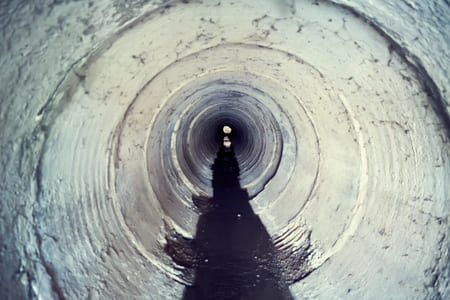
Hydrojetting vs. Traditional Drain Cleaning: Which Is Right for Your Dallas Home or Business?
When a drain clogs, most people just say "drain cleaning" and figure that's one thing. It isn't. There are two different methods, and picking the wrong one either leaves you with a fix that doesn't last or has you paying for more than the job needed. Here's when each one makes sense, and what to actually expect.
The Quick Answer
Snaking is the right call for most standard clogs — a single drain backing up, a recent blockage, an isolated toilet or sink problem, even a clog in the main line after the cleanout. It's fast, it's the less expensive option, and it clears debris.
Hydro jetting is the right call when snaking hasn't held, especially if there's grease buildup or mineral scale buildup involved or for commercial or home kitchen lines that move grease every single day.
If snaking fixed it and it stayed fixed, you were right the first time. If the clog comes back within a few weeks or months, that's a buildup problem, not a debris problem — and hydrojetting is the fix that actually lasts.
How Drain Doctor Approached This Decision
Drain Doctor has been cleaning drains in the Dallas-Fort Worth Metroplex since 1973 — more than 100,000 drains. We have technicians working today that have been with us for over 25 years. That means the solution chosen for your drain issue is based on decades of experience and thousands of drain issues.
Every service call starts with a clear diagnosis: what's causing the problem, which method solves it, and what it costs before any work begins. Sometimes that's a cable. Sometimes it's hydrojetting. Sometimes it's both — a cable to clear the blockage (like heavy roots) first, then a hydrojet to scour the line clean behind it.
We don't reach for hydrojetting because that's what you called about or because it makes us more money. We use whatever clears your line and keeps your drains flowing.
Flat-rate pricing means you know the price before work starts -- no hourly billing, no diagnostic fees, no upsells. If snaking is the right call, that's what gets recommended. If it isn't, hydrojetting is quoted upfront before the technician starts.
How Each Method Works
Traditional Drain Cleaning (Cable / Snake / Auger)
A flexible cable with a cutting head goes into the drain and spins mechanically, boring through or breaking apart the blockage and restoring flow. It removes the clog. It does not clean the pipe walls.
- Best for: individual drain clogs, recent blockages, toilets and toilet lines, bathroom sinks, single-drain backups
- Limitation: leaves residue, grease film, and partial buildup on the pipe walls. On grease-heavy or heavily scaled lines, the path opens back up but buildup keeps accumulating behind it.
High-Pressure Hydrojetting
A hose with a jet goes into the line through a cleanout access point. Water at 3,000-4,000 PSI blasts forward and backward at the same time, scouring the full circumference of the pipe wall. The result is a pipe closer to its original diameter — not just cleared, cleaned.
- Best for: grease buildup, recurring clogs, mineral scale, tree root intrusion, commercial kitchen lines, older cast iron pipe or drain lines that haven't been cleaned for more than 5 years.
- Limitation: Hydrojetting needs cleanout access. On older cast iron or clay pipe, we snake the line first and run a camera before jetting, to confirm the pipe can take full pressure without getting damaged.
Side-by-Side Comparison
| Traditional Snaking | Hydrojetting | |
|---|---|---|
| Mechanism | Cable cuts and removes the blockage | High-pressure water scours the pipe walls |
| Best for | Single clogs, quick clearing | Grease buildup, recurring clogs, scale, roots |
| Pipe wall cleaning | No | Yes — full circumference |
| How long results last | Varies — months if the clog clears fully | 1–3+ years on grease and scale lines |
| Requires cleanout access | Usually not | Yes |
| Commercial kitchens | Temporary relief | Recommended |
| Older pipe (cast iron) | Safe for most | Yes after inspection |
*See pricing callout in Section 4.6 — these figures need confirmation before publishing.
When to Choose Hydrojetting
- The clog keeps coming back. If the same drain has been snaked twice in the past year, the pipe wall has a buildup problem. Snaking clears the path. It doesn't touch the walls. Hydrojetting does.
- It's a commercial kitchen. Grease bonds to pipe walls. A restaurant doing 50-100 covers a day is pushing fats, oils, and grease down those lines every service. Hydrojetting is the only method that actually removes grease from the pipe wall instead of pushing it further along.
- Tree roots. Snaking cuts through roots and can clear the line enough to get things flowing again. Hydrojetting removes the root mass and clears the line. A camera inspection afterward will show how far the intrusion goes, but hydrojetting holds up longer either way.
- Mineral scale and hard water buildup. Dallas water runs moderately hard, and over the years mineral deposits narrow a pipe's effective diameter. Hydrojetting removes scale that snaking leaves behind.
- Pre-sale or post-purchase pipe cleaning. Hydrojetting the main line before selling is a common step. Buying a house? It's a way to clear out whatever the previous owners never dealt with.
When Snaking Is Enough
- A single drain backed up for the first time
- A recent blockage — food debris, hair, something dropped in the toilet
- A toilet clog or shallow bathroom drain
- No history of recurring drain issues
- The drain clears completely and stays clear
Snaking is faster and costs less. If it solves the problem, it was the right call — no need to pay for more.
Is Hydrojetting Safe for Older Pipes?
The most common worry is pipe damage. Done right, hydrojetting is safe for:
- PVC drain lines (standard in homes built after 1980)
- ABS plastic pipe
- Most cast iron drain lines that are in good condition
- Corrugated French drains or yard drains
The real risk is older cast iron that's already corroded, cracked, or has joints pulling apart. Full jetting pressure can push a pipe like that past what it can handle. That's the one case where we look before we jet.
On older cast iron, we'll typically snake the line first to get the clog cleared and the water moving again, then run a camera before deciding whether hydrojetting makes sense. This isn't a sales tool. If the camera turns up something beyond drain cleaning — a crack, a bad joint, root damage — we tell you exactly what we saw and hand it back to you to sort out with a plumber. We don't do repairs, and we're not quoting any.
Drain Doctor doesn't hydrojet from inside the house. All jetting runs through an outdoor cleanout.
What It Costs
Drain Doctor uses flat-rate pricing for both services. You know the cost before work starts.
| Service | Flat Rate |
|---|---|
| Residential drain cleaning (snake) | From $199 |
| Kitchen sink hydrojetting | $299 |
| Main line hydrojetting (via cleanout) | $369 |
No hourly billing. No "we'll see what it takes once we're inside" estimates. See the full pricing breakdown.
Drain Doctor Has Cleared 100,000+ Drains in Dallas Since 1973
Drain Doctor specializes in drain cleaning only — not general plumbing, not HVAC, not water heaters. That single focus means our techs see more drain problems in a month than most plumbers see in a year. We handle both standard cable cleaning and high-pressure hydrojetting for residential and commercial properties across Dallas, Plano, Frisco, McKinney, Carrollton, Allen, Irving, Garland, Arlington, and the rest of the DFW Metroplex.
Flat-rate pricing. Same-day service. Master Plumbers License M-38297.
Frequently Asked Questions
For recurring clogs or grease and scale buildup, yes. Snaking a grease-heavy kitchen line three times a year costs more than one hydrojetting service that keeps the line clean for a year or two. For a standard clog that clears and stays clear, snaking is the better value.
Most residential hydrojetting jobs take one to two hours. Commercial main line jobs can run longer depending on the length of the line and how easy the cleanout is to reach.
Not always. For newer PVC or ABS pipe, we go straight to jetting. For older cast iron, we snake the line first to clear the clog, then run a camera before jetting so we are not pushing full pressure into a pipe that might not take it. That is about protecting your pipe, not selling you anything. If the camera turns up a problem beyond drain cleaning, that is between you and a plumber, not us.
Hydrojetting clears root masses out of the line, but it does not stop roots from coming back — the tree is still in the ground. For heavy root intrusion, a camera inspection after jetting will show whether the pipe itself needs a repair or a reline.
Yes. Commercial hydrojetting is one of our most common calls, especially for restaurant kitchen lines. Same flat-rate pricing applies. See our commercial drain cleaning page for more.