Sewer Odor Outside Your House? Here's Why It Happens
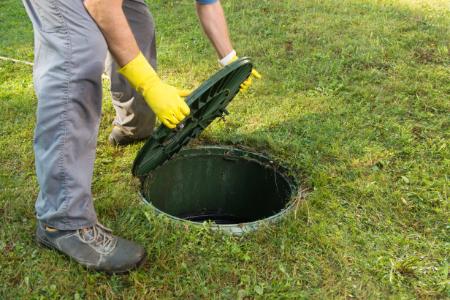
If you have stepped into your backyard and caught a strong smell of sewer gas, you are not imagining things — and you probably do not have a catastrophic problem. That odor is hydrogen sulfide, a gas produced naturally as bacteria break down organic waste in your drain and sewer lines. Under normal conditions, it exits harmlessly through your roof vent and disperses into the air above your home. But under certain conditions, that same gas ends up back in your yard. Understanding why it happens helps you figure out whether you need a drain cleaning or just need to wait out the weather.
How Your Plumbing Vent System Works
Every drain line in your home is connected to a vent system that runs up through the roof. The vent serves two purposes. First, it allows air into the drain system so water flows freely — without it, drains would gurgle, slow down, or pull water out of your P-traps, letting sewer gas inside the house. Second, it gives sewer gases a safe exit point, carrying them up and away from your living space.
The gas that exits through your roof vent is primarily hydrogen sulfide (H2S) and small amounts of methane — both natural byproducts of waste decomposition in your sewer line. The same process occurs in septic systems, which is why properties with a yard-based septic vent can also notice odors near ground level. In both cases, the gas itself is normal. The problem is where it ends up.
Why Sewer Gas Ends Up in Your Yard
Several conditions can pull sewer gas down from your roof vent and into the surrounding yard instead of letting it rise and disperse:
- Wind direction and temperature changes: Cool, dense air settling around your home can trap gases at ground level rather than allowing them to rise. This is especially common on still evenings and during DFW's seasonal temperature swings between warm days and cool nights.
- Nearby structures or elevation changes: If your home sits against a slope, a fence line, or near structures taller than your roofline, negative pressure zones can develop that pull vent gases back down toward the yard.
- Shared sewer lines: In a municipal sewer system, your roof vent is connected to the same main sewer line as your neighbors. Gases generated throughout the line — not just from your own home — can exit through your vent. This means the odor may have nothing to do with your specific drain lines.
- Blocked or damaged roof vent: If the vent pipe is partially blocked by debris, a bird nest, or storm damage, gases may not be exiting efficiently and can back up or escape at ground level around the pipe base.
When the Smell Points to a Drain Line Issue
Not every sewer odor is just a weather event. There are situations where the smell outside is a signal that something is happening in your drain or sewer line that needs attention. Watch for these signs:
- The odor is persistent across multiple days regardless of weather or wind
- You are also noticing slow drains, gurgling sounds, or backups inside the house
- The smell is concentrated in one specific area of the yard rather than general
- Wet or unusually green patches of grass over where your sewer line runs — this can indicate a slow leak in the line
In DFW, tree root intrusion is one of the most common causes of sewer line problems. The region's expansive clay soil shifts with seasonal moisture changes, and roots from live oaks, silver maples, and other common DFW trees exploit any small crack in an aging sewer line. A partially blocked or damaged line holds waste longer, which increases gas production and can push odors back up through the system.
If you are seeing any of the signs above alongside the outdoor odor, it is worth having your main sewer line cleaned. Drain Doctor's residential drain cleaning service covers main sewer lines starting at $269 via an accessible cleanout. A hydro-jet clean — which uses high-pressure water to clear grease, roots, and buildup — starts at $399.
See our full pricing for a complete breakdown with no surprises.
What You Can Do About the Odor
Call Drain Doctor at 214-357-4400 if:
- The outdoor odor is accompanied by any slow drains or backups inside
- You have not had your main sewer line cleaned in the past two to three years
- The smell has been present for more than a few days with no weather-related explanation
- You notice wet ground or unusually lush grass over your sewer line path
We have been cleaning sewer and drain lines in the DFW area since 1973. Flat-rate pricing, same-day service, no upsells — and no guessing on cost before we start.