DIY Drain Cleaning in Dallas: What Works and What Backfires
Most clogs give you a warning. The sink drains a little slower every day, and then one morning it doesn't drain at all. Nearly everyone tries DIY drain cleaning first, and in Dallas homes that's sometimes the right call. A plunger will handle plenty of bathroom sink clogs.
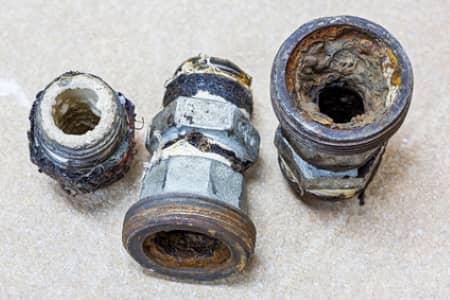
It goes wrong when the clog sits deeper than a plunger can reach, and DFW houses give a clog plenty of places to hide. Homes built before about 1980 often still have cast iron drain lines. Tree roots go looking for water every dry summer. And the clay soil under most of the Metroplex moves the pipes around.
We've cleaned more than 100,000 drains around Dallas-Fort Worth since 1973. Here's what we'd try at home, what we wouldn't, and how to tell when you've hit the limit.
What's safe to try before you call anyone
A plunger is still the most useful drain tool a homeowner can own, as long as it's the right one. A flat cup plunger is for sinks and tubs. A flange plunger, the kind with an extra rubber sleeve sticking out of the bottom, is for toilets. Check the rubber before you start. If it's cracked or has gone stiff, it won't seal against the drain, and without a seal you're mostly just splashing.
- Pull the stopper and clean out the hair first. A lot of bathroom clogs are a wad of hair sitting an inch below the stopper.
- On a sink or tub, hold a wet rag over the overflow hole so the pressure goes down the drain instead of out the top.
- Leave an inch or two of water in the basin. The plunger needs water to push, not air.
- Give it 10 or 15 firm strokes. If nothing moves, stop there.
If you're comfortable under a sink, you can take off the P-trap (the U-shaped pipe under the basin) with a bucket underneath. Sometimes the clog is sitting right in it. Shower drains clog the same way, and our shower drain guide walks through them. If the trap is clean and the drain still won't move, the problem is further down the line, past anything you can reach without a machine.
Why chemical drain cleaners usually make it worse
Store-bought drain openers mostly come in two kinds. Caustic cleaners use lye (sodium hydroxide). Acid cleaners use sulfuric or hydrochloric acid. Both work by reacting with whatever is in the pipe, and that reaction gives off heat.
The heat is the problem. Repeated or long exposure can soften and warp PVC, and both kinds can corrode metal pipe and older P-traps. Plenty of Dallas homes built before 1980 still have their original cast iron, and it has already had decades to wear. Letting a corrosive liquid sit in that line overnight is a bad trade for a slow sink.
Even when the bottle seems to work, it may only burn a small channel through the grease or hair. Water drains, most of the clog stays, and a few weeks later you're back where you started. If the real cause is a root mass or a sag in the line, nothing on the shelf will fix it. Our kitchen drain guide goes deeper on grease clogs and what store-bought cleaners do to them.
The worst case is a sink still full of water with chemical in it. Most product labels warn against plunging afterward or adding a second product, because it can splash back or react. If that's where you are, leave it alone and tell whoever comes out what you used and when. Our technicians run into this all the time. They just need to know.
Plunger didn't do it? Call Drain Doctor at 214-357-4400. Most residential drain clogs are $199 to $299, flat rate, and you get the price before we start.
Rental snakes and the pipe you can't see
The power snake at the rental counter looks a lot like what we carry on the truck. The difference is knowing what the cable is doing 40 feet down a pipe you can't see. That comes from feel, and you only get it after thousands of drains.
This is how rental snake jobs usually go wrong:
- The cable kinks or knots inside the line and won't come back out.
- Running it through a toilet or sink scratches the porcelain or loosens fittings.
- On a main line, the head pokes a hole through a root mass. Water drains for a while, and the roots are still there.
- The spinning cable grabs a loose glove or sleeve. These machines can hurt people.
Chris in Plano tried the rental route on his main line first:
"Bathroom drain was clogged from a/c condensate - after cleaning out the p-trap and running a snake as far as I could with no luck, it was time to call a plumber! 1st one couldn't make it until next week, 2nd one came and couldn't clear the clog, and the 3rd time was a charm! [...] Sergio was friendly and efficient. He cleared the clog and put everything back together. [...] cost less than the 2nd plumber quoted me (who was unable to clear the clog). Overall, 10/10!"
Main line backups are where we'd tell you to skip the rental altogether. If water comes up in a tub or shower when you flush a toilet or run the washer, the clog is in the line that carries everything out of the house. That's the one with the most to lose.

The clog that keeps coming back
If you clear a drain yourself and it backs up again a few weeks later, the clog was a symptom. Something keeps causing it, and around DFW it's usually the same few things.
Tree roots are the big one. Live oaks, cedar elms, and crape myrtles all send roots into sewer lines looking for water, and long dry summers push them harder. The thin, threadlike roots cause more repeat clogs than the thick ones do.
Then there's the soil. Most of DFW sits on Blackland Prairie clay, which swells when it's wet and shrinks when it dries. That movement can pull joints apart or leave a low spot in the line, called a belly, where waste settles and builds up. In kitchens, the usual culprit is grease, which builds up a layer at a time until the pipe is a fraction of its original size.
A bottle or a rental won't fix any of that. A cable machine or a hydrojet clears the line, and if you're not sure which one you need, here's how snaking and hydrojetting compare. Once the line is flowing, we can run a camera through it for $99 so you can see what caused the clog with water moving through the pipe. We clear first and look second.
If the camera shows a broken or collapsed pipe, we'll tell you and recommend you call a plumber for the repair. We don't do repairs, so we have nothing to sell you past the cleaning. For root problems, cleaning the main line once a year usually keeps them from taking over.
What DIY costs compared to a flat-rate visit
| Option | What You Spend | What Can Go Wrong |
|---|---|---|
| Plunger | Probably nothing. You likely own one. | Very little. Stop if 10 to 15 strokes don't move it. |
| Chemical Drain Cleaner | A bottle, often two | Pipe damage, a sink full of caustic water, and a clog that comes back |
| Rental Power Snake | A rental fee and most of a Saturday | A stuck or kinked cable, cracked fixtures, roots left in the line, injury |
| Drain Doctor | $199 to $299 for most residential clogs, quoted before we start | No service call fee and no trip charge |
Our most common jobs: a bathroom sink, tub, or shower is $199. A kitchen sink is $229. A main line cleared from an accessible cleanout is $269. Every price is on our pricing page, and your technician confirms it before any work starts.
When to stop and call a professional
Here's when DIY has run its course and it's time for professional drain cleaning in Dallas:
- You've plunged and cleaned the trap, and the drain still won't move.
- More than one drain is slow or backing up at the same time.
- Water comes up in a tub, shower, or floor drain when you flush or run the washer.
- You poured a chemical cleaner and the sink is still full.
- The same drain clogs again within a month or two.
- You notice a sewer smell around the house.
Debbie in Richardson did everything right before she called. Her bathroom drain was clogged from the AC condensate line, which in a lot of DFW homes ties into a bathroom drain and runs nonstop all summer:
"After attempting to snake my main line myself (having water backup) and not able to solve the issue. I called drain doctor and Sergio arrived promptly and fixed the issue within 30 minutes it felt like. Plus gave me tips. Definitely would recommend."
DIY drain cleaning questions from Dallas homeowners
Plunging and cleaning out a stopper or P-trap are safe for any pipe. Chemical drain cleaners are the risky part. They give off heat as they react, which can warp PVC, and they can corrode metal pipe, including the older cast iron found in many Dallas homes built before 1980. Rental power snakes can kink inside the line or crack a fixture when you can't feel what the cable is hitting.
Don't plunge it, and don't pour in a second product. Most labels warn against both, because the chemical can splash back or react. Keep kids and pets away from the sink. When you call for service, tell the technician which product you used and when, so they can protect themselves and plan how to clear the line.
We'd skip it. Main line clogs around DFW are often caused by tree roots, or by a low spot in the pipe where clay soil has shifted. A rental machine can punch a hole through a root mass and get water moving for a while, but the roots stay. Drain Doctor clears a main line from an accessible cleanout for a flat $269.
Most residential clogs run $199 to $299 at Drain Doctor. A bathroom sink, tub, or shower is $199, a kitchen sink is $229, and a main line from an accessible cleanout is $269. There's no service call fee and no trip charge, and you get the price before work starts. Every rate is listed on our pricing page.
A repeat clog usually means something keeps causing it. Around DFW that's often fine roots from live oaks, cedar elms, or crape myrtles, or a sag in the line from Blackland Prairie clay moving under the house. After we clear the line, we can run a camera for $99 so you can see the cause. For root problems, cleaning the main line once a year usually keeps them in check.
All we do is clean drains, so that's all we'll charge you for. Call Drain Doctor at 214-357-4400 or book online, and call by 2pm Monday through Saturday for same-day service anywhere in our service area.