The Best Way to Unclog a Drain, and When to Stop Trying
Every clog feels urgent when it's yours. The sink won't drain, the tub is holding two inches of gray water, or the toilet is one flush away from a mess on the floor.
Some clogs you can clear yourself in five minutes. Others you can't, and trying harder just makes them worse. This guide walks through how to unclog a drain the right way, what not to pour or push down it, and how to tell when the problem is further down the line than the fixture in front of you.
We've cleaned more than 100,000 drains around Dallas since 1973. A lot of what's below comes from seeing what homeowners tried before they called us.
What's Probably Causing the Clog
Where the clog is tells you a lot about what it is.
- Kitchen sink: grease, food scraps, and coffee grounds. Grease goes down warm and liquid, cools, and sticks to the pipe wall. Everything else sticks to the grease. If this is your problem, our guide to a clogged kitchen drain goes into more detail.
- Bathroom sink: hair, toothpaste, and soap scum, usually caught on the pop-up stopper or in the trap right under it.
- Tub and shower: hair, almost always within the first foot of pipe. More on that in our shower drain guide.
- Toilet: too much paper at once, or wipes. Wipes sold as "flushable" don't break apart the way toilet paper does.
- Several drains at once: that's usually the main sewer line, not any one fixture. Skip down to the section on main line clogs.
What to Try First
Start with a plunger. It's still the best tool most homeowners own, as long as it's the right plunger and you use it the right way.
Sinks, Tubs, and Showers
- Use a cup plunger, the flat rubber kind. Save the toilet plunger for the toilet.
- Block the overflow hole with a wet rag. On a double kitchen sink, plug the other side too. Otherwise you're just pushing air out the second opening.
- Leave two or three inches of water in the basin so the cup can seal.
- Push down gently once to get the air out, then pump hard 15 to 20 times, pulling up as sharply as you push. The pull is what loosens the clog.
- If the water starts moving, run hot tap water for a minute to flush the line.
On a bathroom sink or tub, pull the stopper out before you plunge. A lot of the time the whole clog is a clump of hair wrapped around the stopper, and all it takes to fix is a paper towel and a strong stomach.
Toilets
Use a flange plunger, the one with the extra rubber sleeve that fits into the opening at the bottom of the bowl. Get a good seal and work it steadily 10 or 15 times. Don't flush again to test it until the water level has dropped on its own. A second flush on a clogged toilet is how bathroom floors get wet.
A Slow Kitchen Sink
If the kitchen sink is slow rather than stopped, hot tap water and a good squirt of dish soap can move soft grease. Use hot tap water, not a pot of boiling water. Boiling water can loosen the joints on PVC drain pipe, and poured into a toilet it can crack the porcelain.
Two or three honest attempts is enough. If the drain isn't moving by then, more plunging won't change the answer.
What Not to Do
Most of the worst clogs we see started as small ones that got a little help.
- Chemical drain cleaners. At best they dissolve a little soft hair. On a full clog they sit in the pipe, and now you have standing water full of caustic chemicals. They're rough on older cast iron pipe, and they make plunging risky because the water can splash back at you. We don't sell them and we don't use them. If you've already poured some in, tell the technician before any work starts.
- Wire coat hangers. They usually push the clog further down, and they scratch porcelain.
- A hardware store auger in a toilet. A bare metal cable scratches the bowl, and hand cables tend to kink and knot inside a trap. Then you have a clog and a stuck cable.
- More water. If the drain is stopped, adding water only raises the level. If the main line is clogged, the water comes up somewhere else, usually the lowest drain in the house.
We cover more of this in why DIY drain cleaning goes wrong.
"We tried several things and people to fix our backed up kitchen sink but when we finally got the Drain Doctor out here, he cleared it up so fast and the sink has never been better. These guys are the real pros!"
Signs the Clog Is in Your Main Sewer Line
Sometimes the sink isn't the problem. The main sewer line carries everything out of the house, and when it clogs, water backs up at the lowest point it can find. No amount of plunging upstairs will fix it.
- More than one drain is slow or stopped at the same time
- The toilet gurgles or bubbles when the washing machine drains or someone showers
- Water comes up in the tub or shower when you flush
- A sewage smell inside, or water standing at the cleanout in the yard
If you see any of these, stop running water in the house and call. That's a job for a cable machine or a hydrojet, not a plunger. For more warning signs, see our list of signs your drain needs attention.
Drain still backed up? We can usually be there today.
Monday–Saturday, 8am–6pm | Call before 2pm for same-day service
What Plumbers Mean by a "Stoppage"
You'll sometimes hear a plumber or drain technician call a clog a "stoppage." It's trade shorthand for a drain that's blocked enough to stop the water. A slow drain is a partial stoppage. A drain that won't take any water at all is a full stoppage. Either way, it's what you'd call a clog, and it gets cleared the same way.
Why Drains in Dallas Homes Clog Harder
Part of this is just North Texas. Most of the Dallas area sits on Blackland Prairie clay, the kind that swells when it's wet and shrinks and cracks in a dry summer. Buried pipe moves with it. Joints open up a little, and roots find the gaps.
The usual root offenders here are cedar elm, live oak, and pecan. The big roots aren't the main issue. It's the thin, hair-like ones that slip into a joint, spread into a mat inside the pipe, and catch everything coming down the line. A cable cuts through them and the line runs again, but they grow back, which is why root clogs tend to return.
The age of the house matters too. Homes built before about 1980 often have cast iron or clay pipe. Cast iron roughens inside as it ages, and grease and paper hang on to the rough spots. Homes built after 2000 mostly have PVC, which stays smoother but still clogs from grease and wipes. For heavy grease or roots, hydrojetting scours the pipe wall clean instead of just punching a hole through the clog.
What Happens When You Call Drain Doctor
We clean drains. That's the whole business, and it has been since 1973. We don't do plumbing repairs, so we have no reason to go looking for one to sell you. Here's how our professional drain cleaning in Dallas works:
- You call 214-357-4400 or book online. Call before 2pm, Monday through Saturday, and we can usually get a technician to you the same day.
- The technician looks at the drain and gives you a flat-rate price before starting. That's what you pay.
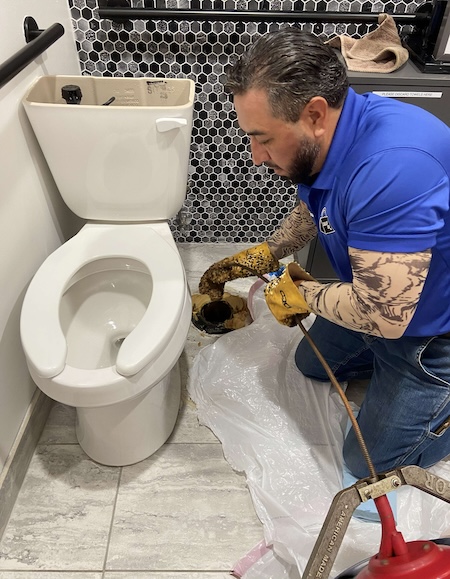
- We clear the drain with a cable machine, or a hydrojet if cable won't get through.
- If it makes sense, we run a camera after the line is clear so you can see what's in there. If we find a broken or collapsed pipe, we'll show you and suggest you call your plumber for the repair.
Our residential drain cleaning covers kitchens, bathrooms, toilets, laundry lines, A/C condensate lines, main sewer lines, and yard drains across Dallas and the surrounding suburbs. See our full service area.
What It Costs
Most residential drain clogs run $199 to $299. These are flat rates, not starting points, and there's no service call fee or diagnostic fee.
| Drain | Method | Price |
|---|---|---|
| Bathroom sink, tub, or shower | Cable | $199 |
| Kitchen sink | Cable via cleanout | $229 |
| Side-by-side sinks or A/C condensate line | Cable | $229 |
| Yard or landscape drain (up to 100 ft) | Cable | $259 |
| Main sewer line | Cable via cleanout | $269 |
| Main sewer line | Hydrojet via cleanout | $369 |
Roof-vent access and extra-long cable runs add to the price, and your technician tells you before starting. The full pricing breakdown lists toilets, add-on drains for the same visit, and commercial rates.
Keeping Drains Clear
A few habits prevent most of the clogs we see: a strainer in every tub and shower, grease in the trash can instead of the sink, and wipes in the trash whether the package says "flushable" or not. Our guides on preventing drain clogs in Dallas and the five foods that never belong in your kitchen sink go further.
Clogged Drain Questions
A plunger, used correctly. Use a cup plunger for sinks and tubs and a flange plunger for toilets, block the overflow opening, and pump 15 to 20 times, pulling up as hard as you push down. If two or three rounds don't get the water moving, stop. The clog is too far down or packed too tight for a plunger, and more force can push it deeper.
We don't recommend them. They rarely clear a full clog, and when they don't, you're left with a sink full of caustic water that can splash back on whoever plunges or cables the line next. They're also hard on older cast iron pipe. Drain Doctor doesn't sell or use chemical drain cleaners. If you've already poured some in, tell the technician before any work starts.
At Drain Doctor, most residential drain clogs cost $199 to $299, flat rate. A bathroom sink, tub, or shower is $199. A kitchen sink cleared through a cleanout is $229. A main sewer line through a cleanout is $269. There's no service call fee and no diagnostic fee, and your technician confirms the price before starting. Every rate is on our pricing page.
Most of the Dallas area sits on Blackland Prairie clay, which swells when it's wet and shrinks during dry summers. Buried pipe shifts with it, joints open slightly, and roots from cedar elm, live oak, and pecan trees work their way in. Homes built before about 1980 also tend to have cast iron or clay pipe, which roughens with age and catches grease. Hydrojetting scours those pipe walls more thoroughly than a cable.
Look for more than one drain backing up at the same time, a toilet that gurgles when the washer drains, or water coming up in the tub when you flush. Those point to the main line, not a single fixture. Stop running water in the house and call 214-357-4400. A main line clog needs a cable machine or hydrojet, usually through an outside cleanout.
Stoppage is the trade word for a clog. A partial stoppage slows a drain down; a full stoppage stops the water completely. It can be in one fixture's drain line or in the main sewer line. It gets cleared the same way as any other clog, usually with a cable machine or a hydrojet.
Drain Still Stopped? Call Drain Doctor.
All we do is clean drains. Flat-rate pricing, with most residential drains between $199 and $299. Same-day service Monday through Saturday when you call before 2pm. Master Plumbers License M-38297, family owned, in Dallas since 1973.